Atlas
An operations console that turns scattered logistics data into one calm, real-time picture.
This is a concept exploration created by Senume. It does not describe a client engagement, and no results are claimed as real.
The problem
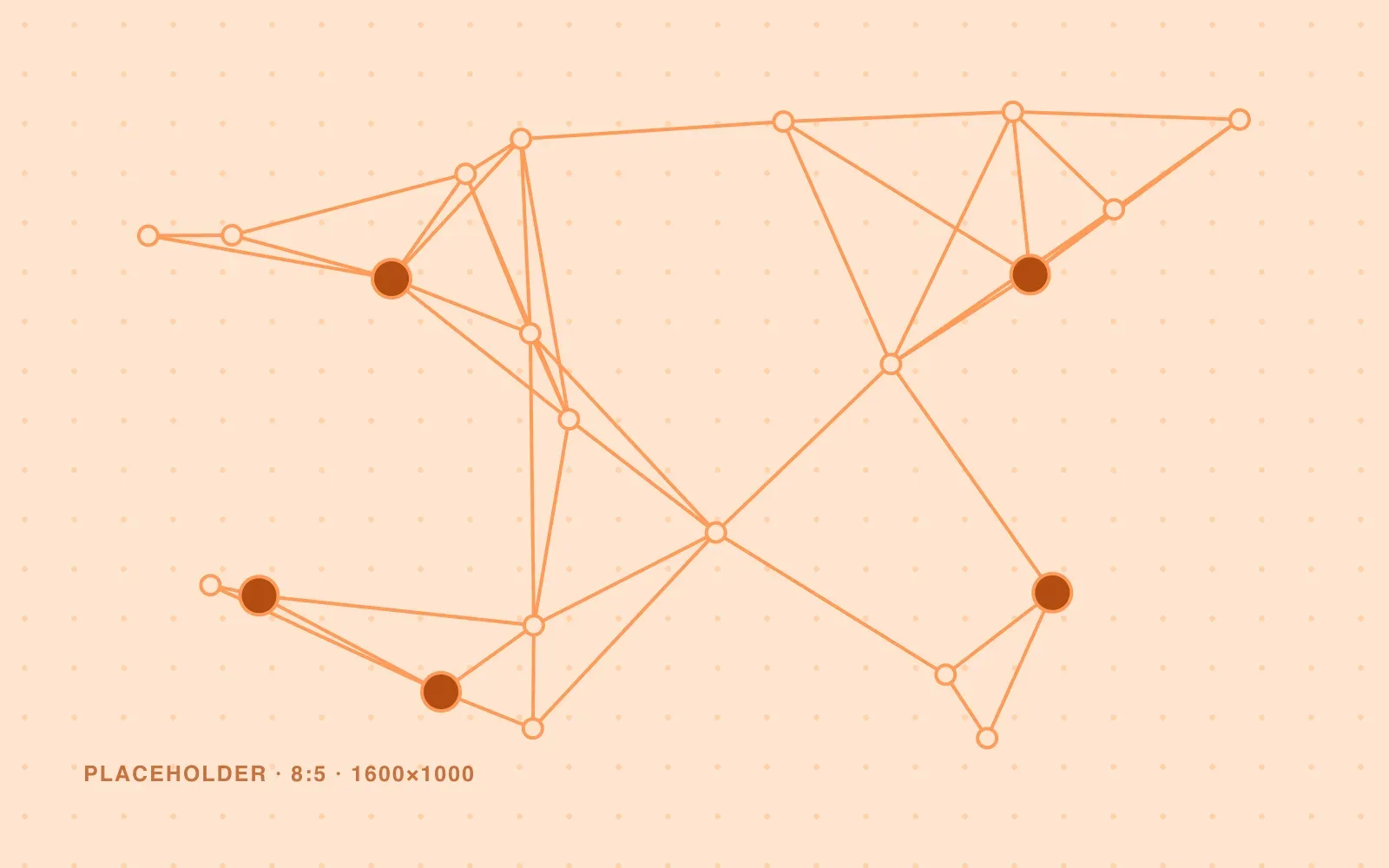
Dispatch teams juggle carrier portals, spreadsheets and chat threads to answer a simple question — where is everything right now, and what needs attention? Decisions arrive late because the picture is never complete.
- Role
- End-to-end product partner
- Timeline
- 14 weeks (concept)
- Services
- Strategy, Experience Design, Engineering, Applied AI
- Platforms
- Web, Desktop
- Technology
Constraints
-
Must run on low-spec desktop machines in depots with unreliable connectivity.
-
Data arrives from a dozen carriers with inconsistent formats and latency.
-
Operators work long shifts; the interface has to stay readable at hour ten.
Solution
We started from the operator’s shift, not the data model. Shadowing sessions revealed that most of the day is spent confirming that nothing is wrong — so the console was designed around exceptions first: a quiet overview that only raises its voice when something needs a decision.
Under the hood, a small Rust service normalises carrier feeds into a single event graph. The desktop client, built with Tauri, keeps a local replica so depots can keep working when the network does not. An assistive layer summarises long incident threads into a few lines and suggests the next action, always leaving the final call to the operator.
How it flows
- Carrier feeds
- Normalise
- Event graph
- Console
- Alerts
Results
Intended outcomes — concept project
-
Single source of truth
Every shipment, exception and handover lives in one timeline instead of five tools.
-
Exceptions first
The console surfaces what needs a human and stays quiet about what does not.
-
Offline resilient
The desktop client keeps working through outages and reconciles when back online.
What we learned
- Calm interfaces come from ruthless prioritisation, not from removing information.
- Treating offline as a primary state simplified the architecture rather than complicating it.